

Short answer: Manhole covers are stolen because cast iron sells for cash by the kilo at scrap yards. Welding and locking hardware make theft harder but do not remove the economic motive. The permanent solution is the composite manhole cover: its scrap value is zero, so it cannot be melted down and sold. Where cast iron remains mandatory, lockable cast covers are the strongest alternative.
Why Are Manhole Covers Stolen?
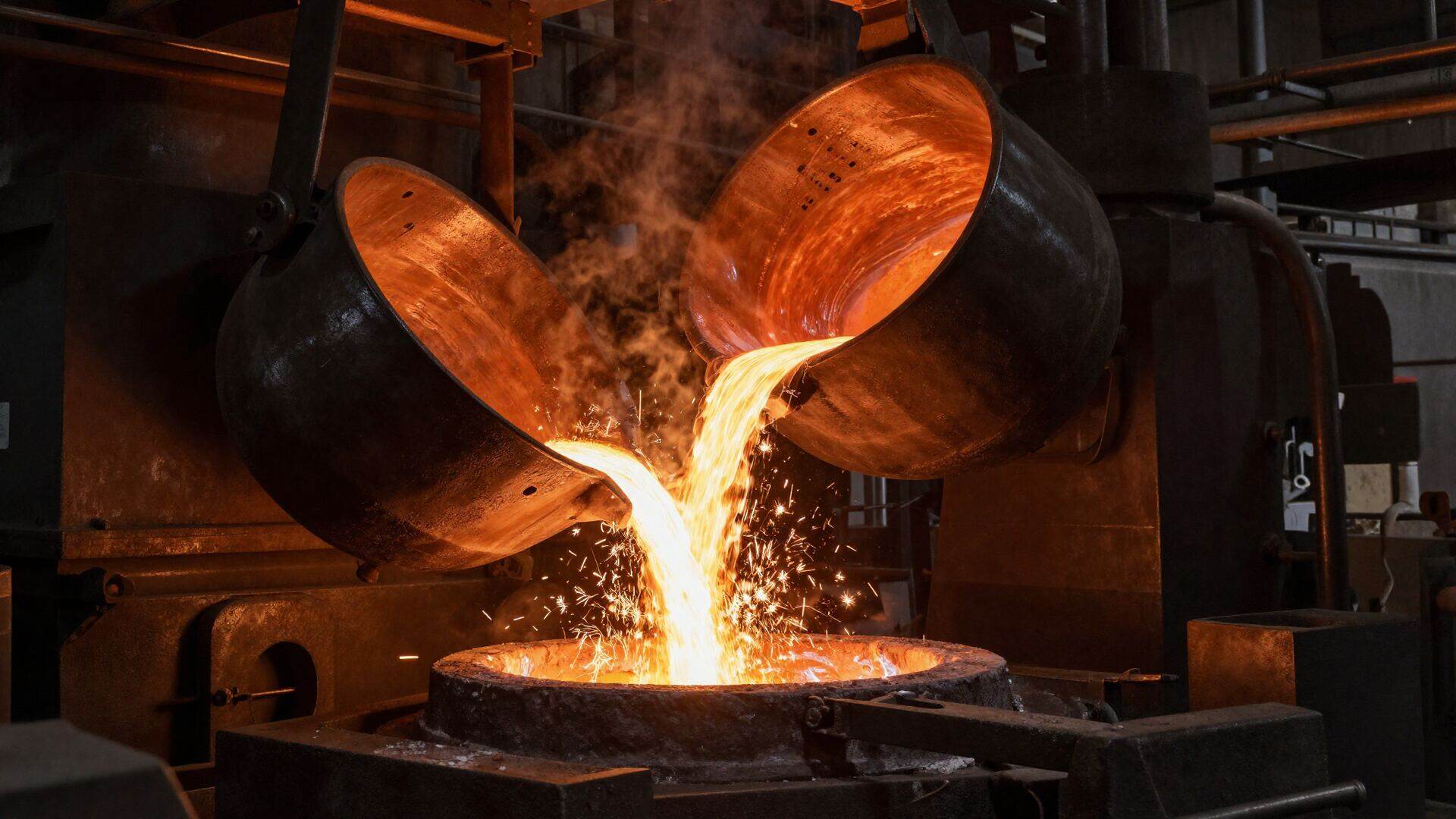
The reason is purely economic: scrap value. A ductile iron (GGG50) cover is tens of kilograms of metal; when scrap iron prices rise, every cover in the street becomes a source of income that can be lifted and sold. Once melted down, ownership cannot be proven and the risk of being caught is low. Theft waves therefore follow scrap prices and keep recurring in the same districts; the targets are usually spots with weak oversight such as side streets, industrial zones and intercity road edges. Cast iron channel gratings and rainwater gratings are removed for the same reason.
The Cost of an Open Manhole
The true cost of a stolen cover is not the material but the open chamber it leaves behind.
- Pedestrian safety: An open manhole is invisible at night, in rain or under standing water; falls can end in serious injury or death.
- Vehicle damage: It causes rim, tyre and suspension damage and tips over two wheeled vehicles.
- Legal liability: Liability for damages caused by an open chamber generally rests with the organisation that owns it (municipality, water and sewerage authority, infrastructure operator); every stolen cover is a compensation risk.
- Repeat spending: The price of a new cover is joined by the installation crew, traffic measures and labour; when the same spot is hit again, the total cost multiplies.
Short Term Measures
Lockable cast iron covers
Systems that fasten the cover to the frame with special bolts or a lock stop most opportunistic theft while preserving maintenance access. Their weak point: because the iron keeps its scrap value, they offer no absolute protection against equipped thieves. The same approach is applied on the grating side with locking channel gratings.
Welded fixing
Welding is the cheapest measure but carries a serious cost: the chamber can no longer be opened for maintenance. Whenever cleaning or an emergency intervention is needed, the weld is cut and both cover and frame are damaged. It should therefore only be considered a temporary, exceptional measure.
Marking and embossing
Casting the owner's name in relief makes a stolen cover recognisable at the scrap yard and puts the buyer at legal risk too; but since the traces can be destroyed by breaking or melting the cover, it is not sufficient on its own.
The Permanent Solution: A Cover with No Scrap Value
The only approach that ends theft at its source is to remove the material worth stealing. Composite infrastructure products are made from glass fibre reinforced polymer composite; the material has no market at the scrap yard and cannot be melted down and sold as metal. With no return left for the thief, the motive disappears entirely; this is the main reason authorities switch to composite in districts where theft has become chronic.
Composite covers are manufactured to EN 124 load classes: A15 (15 kN) and B125 (125 kN) for pedestrian areas, C250 (250 kN) for kerbside zones and road edges, and D400 (400 kN) for all roads open to traffic. Round and square and rectangular formats are available; to pick the right class, see the EN 124 load classes guide.
What else composite brings
It does not corrode, does not conduct electricity and is significantly lighter than cast iron; one person can open the cover safely, reducing the occupational risk of heavy lifting. For a detailed comparison, see Cast Iron or Composite?.
Comparing the Measures
| Measure | Cost Level | Permanence |
|---|---|---|
| Marking and embossing | Low | Low |
| Welded fixing | Low | Low (blocks maintenance access) |
| Lockable cast iron cover | Medium | Medium (scrap value remains) |
| Composite cover | Medium | Permanent (zero scrap value) |
When Is Cast Iron Still Required?
In ports, quays, airport aprons and heavy industrial sites requiring class E600 (600 kN) or F900 (900 kN), ductile iron remains the standard; cast iron manhole covers also stay in use for replacements that must match an existing cast frame exactly and for projects whose specifications mandate cast iron. In those cases, combining a locking mechanism with the owner's embossed mark provides the highest protection achievable in cast iron.
The right choice depends on the theft risk in the area, the load class and the existing infrastructure. As a manufacturer producing both ductile iron and composite, Asil Döküm offers both options; since prices move with the scrap and raw material markets, request a quote for current figures and a recommendation for your project.
Frequently Asked Questions
Why are manhole covers stolen?
Cast iron covers sell for cash by the kilo at scrap yards. Once a cover is melted down it cannot be traced, which makes covers an easy target that converts quickly into money.
Who is liable for damage caused by a stolen manhole cover?
Liability generally rests with the organisation that owns the chamber, such as the municipality, the water and sewerage authority or the infrastructure operator. Every stolen cover therefore represents a compensation risk for that organisation.
Why are composite manhole covers not stolen?
Composite material has zero scrap value; it cannot be melted down and sold as metal. Because the economic motive disappears, composite covers stop theft at its source.
Can composite covers carry vehicle traffic?
Yes. Composite covers are manufactured to EN 124 load classes: A15 and B125 for pedestrian areas, C250 for kerbside zones and road edges, and D400 for all roads open to traffic.
Does welding the cover to the frame solve the problem?
It deters theft in the short term but completely blocks maintenance access to the chamber. The weld has to be cut at every intervention, damaging both cover and frame, so it should only be treated as a temporary measure.
[{"q":"Why are manhole covers stolen?","a":"Cast iron covers sell for cash by the kilo at scrap yards. Once a cover is melted down it cannot be traced, which makes covers an easy target that converts quickly into money."},{"q":"Who is liable for damage caused by a stolen manhole cover?","a":"Liability generally rests with the organisation that owns the chamber, such as the municipality, the water and sewerage authority or the infrastructure operator. Every stolen cover therefore represents a compensation risk for that organisation."},{"q":"Why are composite manhole covers not stolen?","a":"Composite material has zero scrap value; it cannot be melted down and sold as metal. Because the economic motive disappears, composite covers stop theft at its source."},{"q":"Can composite covers carry vehicle traffic?","a":"Yes. Composite covers are manufactured to EN 124 load classes: A15 and B125 for pedestrian areas, C250 for kerbside zones and road edges, and D400 for all roads open to traffic."},{"q":"Does welding the cover to the frame solve the problem?","a":"It deters theft in the short term but completely blocks maintenance access to the chamber. The weld has to be cut at every intervention, damaging both cover and frame, so it should only be treated as a temporary measure."}]